
UK to join US Army’s PrSM program, buy $254M in long-range missiles
The planned buy is not designed to supplant work with Germany on a Deep Precision Strike weapon, the UK said.
The planned buy is not designed to supplant work with Germany on a Deep Precision Strike weapon, the UK said.

Australia will now forgo the purchase of a new build Virginia-class submarine and acquire another ex-US Navy boat instead.


Lightning Surge exercises are turning soldier feedback on NGC2 into operational software changes in days, not years.
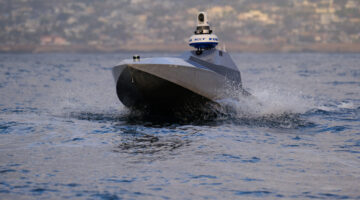
The companies recently worked together to get the American drone maker's USV certified by Australian authorities.

“The reality is, we're already doing AUKUS Pillar II stuff with many of our allies and partners,” Vice Adm. Rob Gaucher, the US Navy’s top submariner, said.

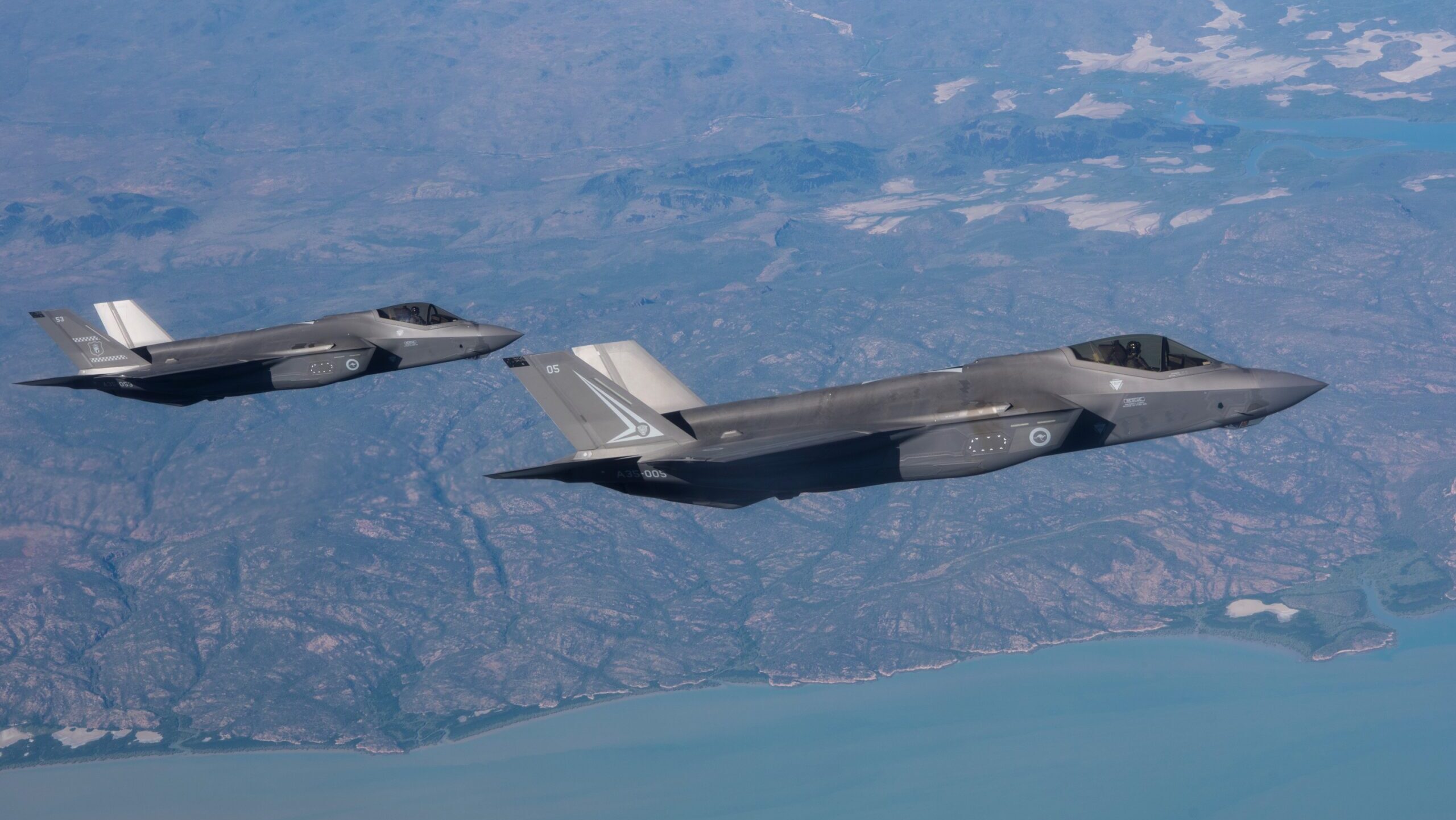
Australia is transforming its defense industrial base, focusing on submarine and missile production to solidify its role in US and UK defense supply chains under AUKUS.


AUKUS Pillar 2 is driving supply chain innovation and resiliency for non-submarine technologies that are key to the three-way industrial partnership.


An airborne layer pushes drone engagements farther from defended assets and changes the cost-per-kill equation.

In this op-ed, Henry Sokolski argues Australia should switch its focus from buying Virginia-class submarines and instead put that money towards Pillar 2 technologies.

The problem lies within the Excluded Technology List (ELT), a list of tech that is not eligible for transfer under the existing AUKUS exemptions.

"Japan has an excellent chance of success in this program, particularly if the broader technological partnership it will enable is understood clearly at government level in both nations," wrote Michael Shoebridge, founder of Strategic Analysis Australia.

Advanced Navigation said it believes the new sensor system will enable drones "to navigate unlimited distances over land without relying on GPS, and is passive and resistant to interference."


Throttleable systems, boost-phase interception, and new manufacturing capacity expand missile defense options.

US Defense Secretary Lloyd Austin said categorically that "we expect that Japan will join AUKUS Pillar Two at some point in the not-too-distant future to work on specific projects that have yet to be named."
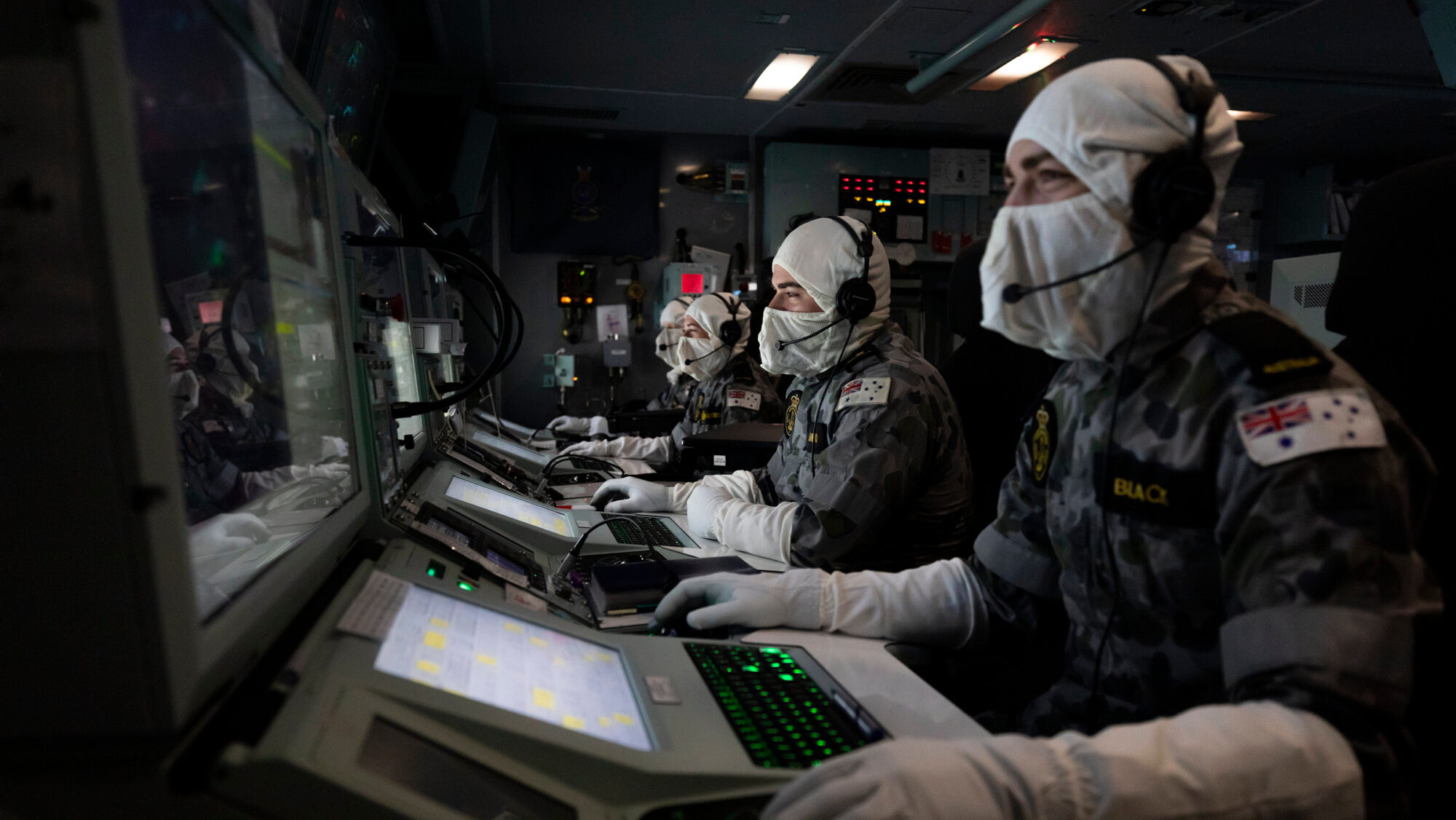
“We are not out there alone, and we share that with our allies and partners, and they also have some pretty exceptional capabilities,” said Travis Manning, an electronic warfare officer in the Pentagon.

Reaction Engines, which is also part of the $1.3 billion Hypersonic Technologies & Capability Development Framework (HTCDF) effort to build and deliver a first UK hypersonic missile, was plunged into administration today after failing to secure a rescue deal.

Over the next year, South Korea and the US will stand up a defense science and technology executive committee to explore emerging tech and AUKUS Pillar II cooperation.